Expanded foam (EPS) has excellent thermal insulation and is widely used in food packaging. Globally, about 1.2 million tons of EPS are consumed each year for food containers, but only around 30% of this material is recycled.The low recycling rate is due to hard-to-remove food residues and odors from foam.
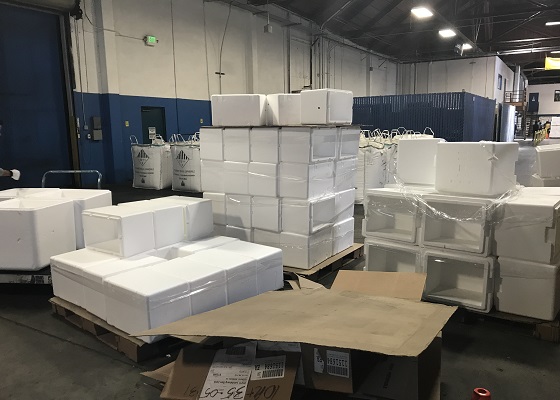
Due to the large amount of seafood needed every day, the foam fish box can only be used once, so foam is in great demand. Traditionally, waste fish boxes were buried in the wild, but foam didn’t degrade naturally, so they were very harmful to the environment.
As environmental protection and resource saving become the focus of global concern, people begin to pay attention to recyclable materials. In this case, foam recycling is forming a new industry. The main contribution of Marine industry is that it produces a large number of waste foam fish boxes every day. Recycling foam packaging can turn waste foam into reusable materials again.
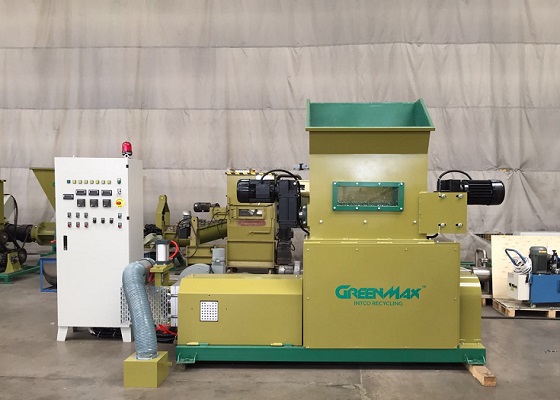
In northern Poland, near the Baltic sea city, many traders are engaged in fish processing, so there is a great demand for fish boxes every day. At the same time produce a large number of foam packaging waste. In these areas, fish manufacturers and recyclers have many waste containers waiting to be collected. Under such circumstances, GREENMAX foam recycling machine was greatly welcomed by local fishing industry.
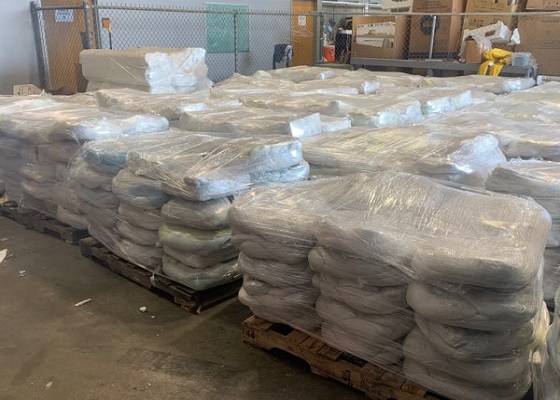
GREENMAX foam densifier helps the fisherman compress the bulky foam and reduce the foam volume for 90 times. The more important is that the compacted foam blocks can be sold to local recyclers for reuse. This is of great value to the recycling and environmental industries.