In recent years, Japan has faced a growing plastic waste challenge, producing around 9.4 million tons of plastic waste annually, making it the world’s second-largest per-capita generator after the United States. For years, Japan exported part of this waste to countries such as Indonesia, and Malaysia. However, Japan is now forced to find domestic recycling solutions, especially for foam plastics like EPS and styrofoam.
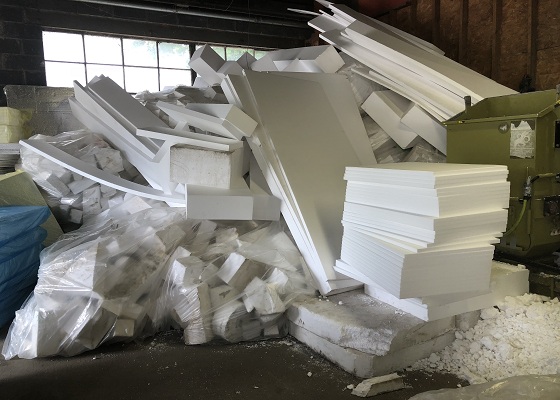
The Japanese society’s focus on neatness can be seen in its exquisite packaging culture. Even a banana sold in a convenience store is often wrapped in a disposable plastic bag. While this may look refined and hygienic, the cost is endless “white pollution”—non-degradable plastic waste filling landfills and polluting the oceans.
If plastic waste can be recycled effectively, it becomes a valuable resource. That’s true, but the high cost of processing remains a headache. Among all plastics, foam/EPS/styrofoam recycling is the most difficult, due to low density, bulky volume, and contamination issues.
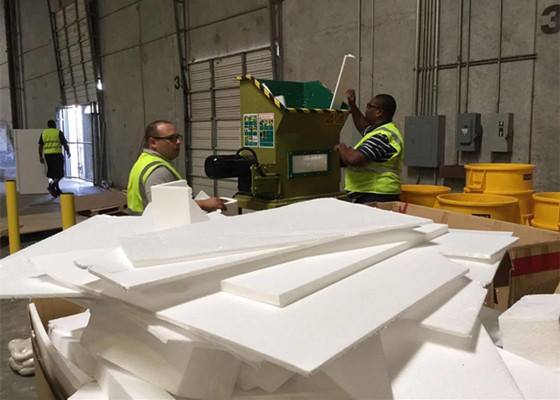
GREENMAX, a leading foam recycling solution provider, has already offered effective answers to this problem. By using EPS foam densifiers and compactors, GREENMAX helps companies achieve up to 90:1 volume reduction, making transportation and storage economical. The recycled foam can then be reused to produce insulation materials, picture frames, and packaging products, turning waste into valuable resources.
Many companies worldwide, including partners in Japan, have worked with GREENMAX and expressed high satisfaction with both the styrofoam densifier performance and the company’s comprehensive services. Beyond equipment, GREENMAX offers considerate support by sending engineers to train customers on using EPS and foam densifiers for different materials, ensuring smooth operation and long-term recycling success.