Styrofoam fish coolers are widely used throughout the seafood supply chain because they provide excellent insulation and help keep fish fresh during transportation. From fishing vessels to seafood processing plants and wholesale markets, EPS fish boxes play an essential role in maintaining product quality. However, once the fish are unpacked, these bulky Styrofoam coolers quickly become a major waste management challenge.
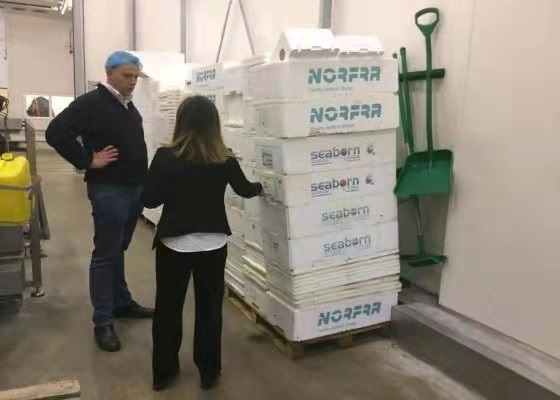
Seafood processing plants are one of the largest sources of waste Styrofoam fish coolers. After fresh seafood is processed, fish are packed with ice inside EPS fish boxes before being shipped to distributors, retailers, and restaurants. As production continues, hundreds or even thousands of empty Styrofoam boxes accumulate every week. Because EPS is lightweight but bulky, these used fish coolers occupy valuable warehouse space, increase transportation costs, and make daily waste handling more difficult.
A Styrofoam compactor provides an efficient solution for recycling used fish boxes. Using cold compaction technology, the machine crushes and compresses bulky EPS foam into high-density blocks without heating. Since used seafood packaging often contains moisture, cold compaction is particularly suitable for processing Styrofoam fish coolers. The compressed blocks are easier to store, transport, and recycle, while keeping processing facilities cleaner and improving workplace hygiene.
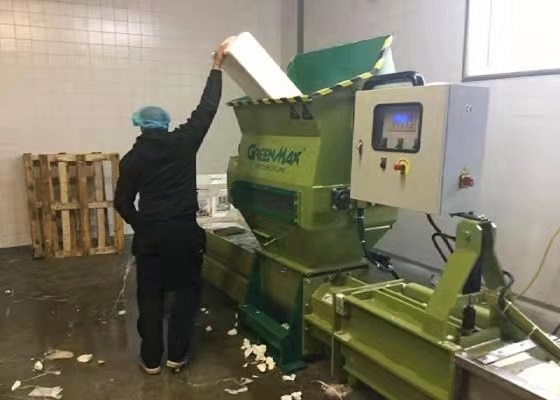
One seafood processing company using GREENMAX equipment generates approximately 1,500 Styrofoam fish coolers every week. Their primary challenge was limited storage space caused by large volumes of empty EPS boxes. After evaluating different recycling options, the company selected the GREENMAX Styrofoam compactor A-C200, which processes up to 200 kg of EPS foam per hour and reduces foam volume by as much as 50:1. The solution significantly improved storage efficiency while lowering waste handling costs.
As seafood production continues to grow worldwide, more processors, seafood distributors, fish markets, and cold-chain logistics companies are investing in Styrofoam recycling equipment. By reducing the volume of used EPS fish boxes at the source, businesses can improve operational efficiency, reduce disposal expenses, and support more sustainable packaging recycling practices.
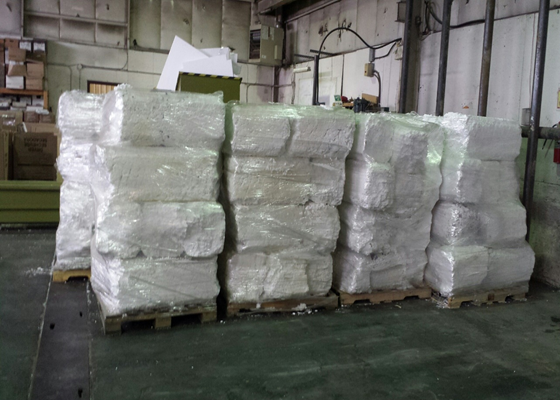
Recycling Styrofoam fish coolers is no longer simply about saving warehouse space. It is an effective way to improve recycling efficiency, lower logistics costs, and create value from recyclable EPS materials. With the right Styrofoam compactor, seafood businesses can transform bulky foam waste into a valuable recyclable resource while supporting a circular economy.
FAQ
1. Why should Styrofoam fish coolers be recycled?
Used Styrofoam fish coolers occupy large amounts of storage space and increase transportation and disposal costs. Recycling helps reduce waste and recover valuable EPS materials.
2. What is the best machine for recycling Styrofoam fish boxes?
A Styrofoam compactor is one of the most effective solutions. It compresses bulky EPS fish boxes into dense blocks that are easier to store and transport.
3. Can wet Styrofoam fish coolers be recycled?
Yes. Cold compaction technology is suitable for processing Styrofoam fish coolers that contain moisture after normal draining.